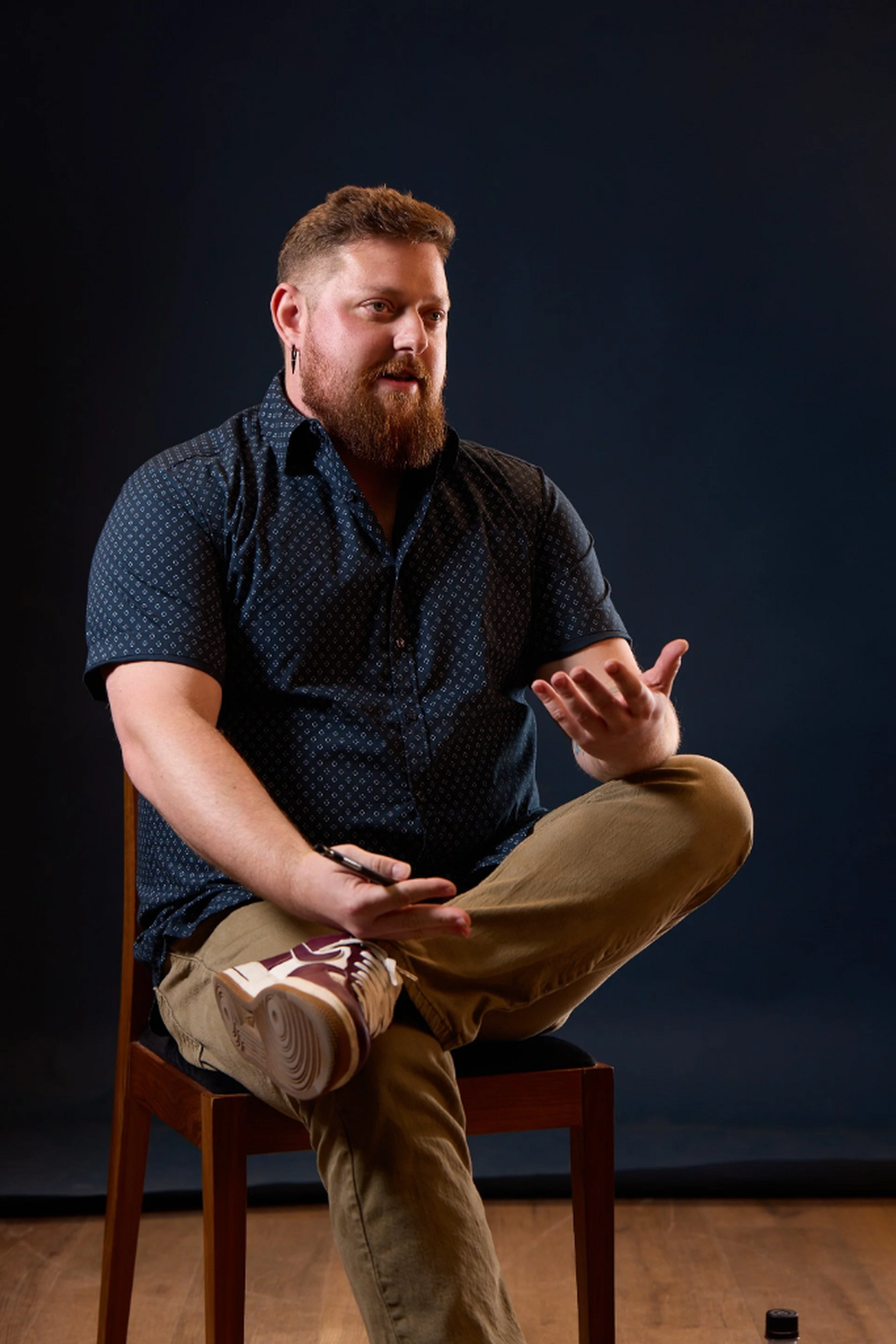

Every week across community health centers, psychiatric emergency departments, and private practices, thousands of clinicians sit across from people navigating catastrophic loss, complex trauma, and active crises. To do this work responsibly, practitioners bring attunement, steady presence, and complete emotional containment into the consulting room.
Behind that composed exterior, however, sits an occupational health emergency. Pre-licensed associates, professional clinical counselors, clinical social workers, and psychologists are leaving community mental health and private practice at unsustainable rates. The public conversation routinely diagnoses this collapse as personal burnout, handing clinicians corporate wellness webinars, mindfulness apps, and deep-breathing reminders.
That framing fundamentally misreads the problem.
Therapist impairment is not an individual character flaw or a deficit in personal resilience. It is an occupational hazard driven by the cumulative toll of clinical masking—the constant, systematic suppression of a practitioner's authentic internal state, somatic distress, and physical limits to perform ongoing emotional labor.
To build sustainable clinical careers, the mental health field has to look past individual coping and address the real biology of emotional suppression, the structural engines of clinic burnout, and the critical differences between general exhaustion, secondary traumatic stress, and moral injury.
“Therapist impairment is not an individual character flaw or a deficit in personal resilience. It is an occupational hazard driven by the cumulative toll of clinical masking.”
What Is Clinical Masking? The Unspoken Burden of Emotional Labor
Sociologist Arlie Hochschild (1983) introduced the concept of emotional labor to describe jobs that require workers to induce or suppress feeling to produce a specific emotional response in others. While early studies focused on customer service and airline crews, psychotherapy demands an exceptionally deep, relentless version of this dynamic.
In clinical settings, emotional regulation operates primarily through two channels: deep actingand surface acting (Grandey, 2000).
Deep actinghappens when a clinician works internally to shift their thoughts and physiological response to genuinely align with what the client needs—such as working through personal countertransference to cultivate authentic warmth toward a hostile client.
Surface acting, by contrast, happens when a clinician alters their external presentation without altering their internal state. The practitioner maintains an attentive vocal tone, open posture, and composed expression while their nervous system is dealing with personal grief, raw fatigue, acute panic, or physical illness.
This surface acting is what defines clinical masking. It is the pre-licensed associate running three back-to-back crisis intakes right after receiving bad medical news, never letting their voice shake. It is the trauma therapist absorbing graphic disclosures of family violence while physically suppressing nausea. It is the solo practitioner pushing through a migraine because a late cancellation means lost income, an angry client, and no safety net.
Clinical training environments routinely reward this behavior through an unwritten curriculum: composure equals competence. Showing fatigue, naming administrative exploitation, or feeling overwhelmed is often interpreted as poor boundaries, countertransference failure, or a lack of clinical fitness. Clinicians quickly learn to conceal their humanity behind an unshakeable clinical persona.
“You cannot meditate your way out of seeing 35 complex clients a week. You cannot breathe your way out of wages that require you to work a second job to pay your student loans.”
The Neurobiology of the Mask: Allostatic Load and Nervous System Strain
Human physiology was never designed to regulate intense, vicarious trauma for seven hours a day, five days a week, from a fixed, seated posture.
Suppressing felt emotion requires heavy prefrontal inhibitory control. Research in executive function shows that conscious self-regulation functions like a finite biological resource; sustained affective suppression accelerates ego depletion and cognitive fatigue (Muraven & Baumeister, 2000). When a therapist overrides bodily cues hour after hour, the system incurs allostatic load—the physiological wear and tear that accumulates from continuous adaptation to chronic stress (McEwen, 1998).
#
Chronic Sympathetic Arousal
When clinicians suppress outward signs of distress to keep sessions safe and contained, the sympathetic branch of the autonomic nervous system stays switched on (Gross, 2002). Heart rate variability drops, blood pressure rises, and cortisol floods the bloodstream. Over months and years of constant clinical masking, this sustained activation surfaces as somatic complaints: tension headaches, jaw clenching, pelvic floor tightness, irritable bowel flare-ups, and broken sleep cycles.
#
Neuroendocrine Blunting and Hypoarousal
Eventually, the human nervous system cannot stay in high gear. To shield vital organs from perpetual stress-hormone exposure, the body shifts into hypoarousal or dorsal vagal shutdown. Clinicians describe this phase as feeling completely hollow. They sit through sessions unable to access genuine empathy, disconnected from their clients, struggling through heavy brain fog, and feeling numb during both clinical hours and personal time.
#
Cognitive Dissonance and Identity Splitting
Masking also takes an intellectual and psychological toll. As Leon Festinger (1957) demonstrated in his classic work on cognitive dissonance, maintaining a wide gap between outward behavior and internal reality creates painful psychological tension. Therapists start feeling like impostors. The stark contrast between the composed, insightful healer they play in the room and the exhausted, overwhelmed person outside of it fuels chronic self-doubt, shame, and isolation.
“Taking off the mask does not mean violating boundaries or dropping ethical standards. It means giving up the myth that therapists do not have nervous systems.”
Differentiating Burnout, Vicarious Trauma, and Moral Injury
When clinicians struggle, agencies and practitioners often dump every symptom into the catch-all bucket of "burnout." This lack of clinical precision leads to wrong interventions.
To effectively support therapists, we need to separate three distinct conditions that each demand a different recovery plan:
Occupational Burnout— Primary root cause: workplace dysfunction (unmanageable caseloads, excessive paperwork, lack of professional autonomy). Clinical presentation: chronic emotional exhaustion, cynicism/depersonalization, feelings of clinical inadequacy. Gradual onset across months or years. Primary remediation: caseload reduction, workflow changes, fair pay, and manageable schedules.
Vicarious Traumatization / Secondary Traumatic Stress— Primary root cause: cumulative internal processing of clients' traumatic narratives and direct exposure to horror. Clinical presentation: intrusive thoughts, hypervigilance, shattered baseline assumptions about safety, trust, and predictability. Can appear quickly after an acute crisis or build slowly. Primary remediation: trauma-focused personal therapy, specialized clinical consultation, somatic discharge practices.
Institutional Moral Injury— Primary root cause: administrative or institutional mandates that force clinicians to violate clinical ethics or basic human values. Clinical presentation: deep existential guilt, moral shame, institutional betrayal, grief, and profound cynicism toward systems. Primary remediation: systemic advocacy, organizational policy reform, unionizing, or leaving an unethical workplace.
Telling a morally injured therapist to take a bath, or telling a vicariously traumatized clinician to work on time management, completely misses the nature of their distress.
“Demanding that clinicians cultivate individual stamina to survive broken systems protects the system while burning through the clinician.”
Why Traditional Self-Care Isn't Enough
Over the past two decades, behavioral healthcare adopted a privatized, individual-focused model of wellness. If you are exhausted, cynical, or struggling physically, the implied message from clinic directors and graduate programs is simple: you need better sleep hygiene, more meditation, better personal boundaries, or regular exercise.
This turns a systemic failure into a personal shortcoming.
While mindfulness, bodily movement, and nutrition are essential personal health practices, they cannot undo toxic, exploitative workplace structures (Leiter & Maslach, 2004). You cannot meditate your way out of seeing 35 complex clients a week. You cannot breathe your way out of wages that require you to work a second job to pay your student loans. You cannot journal your way out of fee-for-service arrangements that leave you unpaid whenever an acutely ill client cancels.
Demanding that clinicians cultivate individual stamina to survive broken systems protects the system while burning through the clinician. Real self-care is not an isolated wellness activity; it is the practical defense of professional and somatic boundaries.
“Composure equals competence is an unwritten curriculum. Clinicians quickly learn to conceal their humanity behind an unshakeable clinical persona.”
What Real Self-Care Looks Like: Structural Prophylaxis
At Unmasked Career Lab, our focus is helping clinicians step away from band-aid coping mechanisms and design sustainable, viable careers. True self-care is operational and contractual, not performative.
Building a long-term clinical career requires four clear structural pillars:
#
1. Neurobiologically Grounded Caseload Caps
The expectation of 30 to 40 client hours a week belongs in an assembly plant, not a consulting room. Psychotherapy requires deep relational focus, rapid assessment, and constant co-regulation. Decades of clinical literature point to a sustainable ceiling of 20 to 25 weekly direct client hours for a full-time clinician (Norcross & Guy, 2007). Pushing past that threshold sharply increases surface acting, impairs clinical judgment, and triggers depersonalization.
#
2. Built-In Concurrent Operational Hours
Administrative work is an inseparable component of client care. For every hour spent in session, clinicians spend 15 to 30 minutes on concurrent tasks: writing progress notes, revising treatment plans, consulting with psychiatrists, managing crises, and handling billing. Sustainable practice models budget 1.25 to 1.5 total paid operational hours for every clinical contact hour.
#
3. Reflective, Emotionally Safe Clinical Supervision
Clinical supervision has to be more than administrative oversight and liability management. Grounded in reflective supervision models (Bordin, 1983), supervisors must create environments where supervisees can take off the mask safely.
#
4. Auditing Contracts and Ending Workplace Exploitation
A major root cause of clinical distress is the financial vulnerability baked into pre-licensed training and predatory group practices. Associates are often misclassified as 1099 independent contractors to dodge labor laws, or placed on fee-for-service splits where cancellations threaten their rent money.
Moving Beyond the Mask
Mental health professionals are human beings before they are clinical providers. You cannot permanently split yourself into an unshakeable healer on the outside and a neglected human on the inside without paying a steep biological price.
Taking off the mask does not mean violating boundaries, oversharing personal distress in session, or dropping ethical standards. It means giving up the myth that therapists do not have nervous systems. It means structuring clinics, training clinics, and private practices around real human limits.
Clinicians do not need to apologize for having physical and emotional capacity limits. Capping your schedule, demanding living wages, stepping away from toxic working environments, and honoring your nervous system are not clinical failures. They are the baseline requirements for clinical competence, ethical work, and a sustainable career in mental health.
Academic Citations & References
The clinical frameworks and arguments above are grounded in empirical neurobiology, occupational psychology, and clinical supervision research.
- [1]
Bordin, E. S. (1983). A supervision model consisting of an alliance between supervisor and supervisee. The Clinical Psychologist, 36(2), 35–37.
- [2]
Festinger, L. (1957). A theory of cognitive dissonance. Stanford University Press.
- [3]
Figley, C. R. (1995). Compassion fatigue: Coping with secondary traumatic stress disorder in those who treat the traumatized. Brunner/Mazel.
- [4]
Grandey, A. A. (2000). Emotion regulation in the workplace: A new way to conceptualize emotional labor. Journal of Occupational Health Psychology, 5(1), 95–110.
View Source / DOI - [5]
Griffin, B. J., Purcell, N., Burkman, K., Litz, B. T., Bryan, C. J., Schmitz, M., Villierme, C., Walsh, J., & Maguen, S. (2019). Moral injury: An integrative review. Journal of Traumatic Stress, 32(3), 350–362.
View Source / DOI - [6]
Gross, J. J. (2002). Emotion regulation: Affective, cognitive, and social consequences. Psychophysiology, 39(3), 281–291.
View Source / DOI - [7]
Hochschild, A. R. (1983). The managed heart: Commercialization of human feeling. University of California Press.
- [8]
Leiter, M. P., & Maslach, C. (2004). Areas of worklife: A structured approach to organizational predictors of job burnout. Research in Occupational Stress and Well-being, 3, 91–134.
- [9]
Maslach, C., & Jackson, S. E. (1981). The measurement of experienced burnout. Journal of Organizational Behavior, 2(2), 99–113.
View Source / DOI - [10]
McCann, I. L., & Pearlman, L. A. (1990). Vicarious traumatization: A framework for understanding the psychological effects of working with victims. Journal of Traumatic Stress, 3(1), 131–149.
- [11]
McEwen, B. S. (1998). Stress, adaptation, and disease: Allostasis and allostatic load. Annals of the New York Academy of Sciences, 840(1), 33–44.
View Source / DOI - [12]
Muraven, M., & Baumeister, R. F. (2000). Self-regulation and depletion of limited resources: Does self-control resemble a muscle?. Psychological Bulletin, 126(2), 247–259.
View Source / DOI - [13]
Norcross, J. C., & Guy, J. D. (2007). Leaving it at the office: A guide to psychotherapist self-care. Guilford Press.
- [14]
Pearlman, L. A., & Saakvitne, K. W. (1995). Trauma and the therapist: Countertransference and vicarious traumatization in psychotherapy with incest survivors. W. W. Norton & Co..
- [15]
Shay, J. (2014). Moral injury. Psychoanalytic Psychology, 31(2), 182–191.
View Source / DOI
Written by Tyler Suran, MA, APCC #17625, CADC
Tyler Suran is the founder of Unmasked Career Lab, a registered APCC (#17625), and a behavioral healthcare operations consultant specializing in ADHD neurodivergent executive workflows.